
At a glance
- Location
- Imanta
- Service
- Rodent control — rat and mouse extermination
- Price
- From €40 — the figure quoted is the final price
- Availability
- 24/7, weekends and nights included
- Getting there
- We travel from Riga; arrival time agreed per address
- How to book
- Enquiry form only — we reply within 5 minutes
Rodent control in Imanta: the railway corridor as a rodent highway
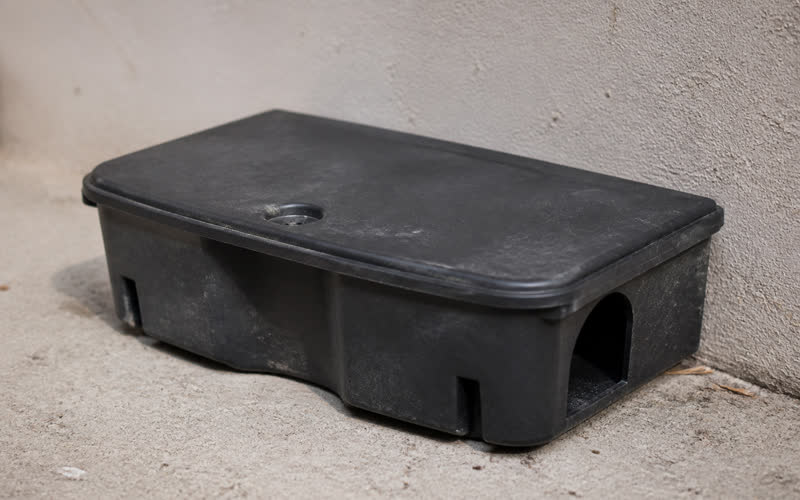
Imanta is a large residential neighbourhood on the western, Pārdaugava side, and the railway line towards Jūrmala runs through it with its stations and embankments. In practice that is the main factor rodent control in Imanta begins with. A railway embankment is a continuous strip of loose ground, stone-fill edges, scrub and little disturbance — for the brown rat it is shelter and a route at the same time. A rodent does not travel across open ground; it moves beside cover, and the embankment provides that cover for kilometres. So in this neighbourhood the problem is rarely one building's problem: the inspection has to start with which side the property faces the railway strip or the verges leading to it. Outside, we put the control points on the runs leading from the embankment into the courtyard, not in the middle of the yard, where a bait station looks tidy but goes unvisited.
Around the stations and the waste points along the line
Around the station stops and pedestrian crossings a constant flow of food builds up — discarded food, overfilled litter bins, kiosks and small shops on the way to the train. For rodents that is a stable food source all year round, so the population along the line does not fade seasonally as it does in purely residential streets. From this base rats disperse at night into the nearest apartment-block courtyards, and the first signs appear at the bin areas: burrow entrances 5–8 cm across dug along the edge of the bin bay, worn runs in the grass and droppings of 15–20 mm on the concrete. If the building manager moves the bins but the burrows are left, the population is back within a few weeks. That is why rat extermination here always ties two things together: sorting out the food source and external control points between the burrow zone and the building.
Soviet-era apartment blocks: basement, heating substation, ventilation shaft
The Soviet-era apartment blocks in Imanta were built with a through basement, a shared heating substation and vertical ventilation shafts connecting every floor. That means rodent control in a flat on its own almost never resolves the cause — the rodent lives in the basement or a service duct and climbs upwards along the surrounds of the stack. We inspect the basement window openings, the pipe inlets, the heating substation room and the lift motor room, because that is where heat and moisture concentrate. On the walls we look for grease marks 5–10 cm above the floor — that is a rat's permanent run. Bait stations in the basement go at numbered control points, so that at the follow-up check we can compare where consumption is continuing. Treating a flat costs €40–80 and the minimum callout is €40, but a real result requires an agreement with the building manager about the basement.
Streets of detached houses towards Kleisti and Dzirciems: perimeter work
Alongside the multi-storey housing, Imanta also has streets of private houses, with Zolitūde, Dzirciems, Iļģuciems and Kleisti nearby. In a private house the task is a different one: not a shared basement but perimeter protection along the plinth. We walk round the building and check every inlet — water, drainage, electrical conduit, ventilation grilles, the underside of the garage door, the base of the terrace. Very often the openings have been filled with expanding foam; foam does not stop a rodent, it is gnawed out in a few nights. What works is metal mesh of 5 mm aperture bedded in cement mortar. The scale is worth keeping in mind: the house mouse gets through a 6–7 mm gap and a rat needs only 20 mm, so looking from a distance achieves nothing. Inspecting and treating a private house costs €90–110, and it is sealing the entry points that gives the longest-lasting effect here.
Commercial premises along Kurzemes prospekts and retail sites
Along the main streets in Imanta and by the stations there are shops, warehouses, catering outlets and service businesses. On commercial premises rodent control is a documented process: numbered control points, a plan showing their layout and records of the checks, so that it can be shown the site is being monitored. We place the points along the internal walls, at goods-in, the waste room and the service inlets — where the rodent moves, not where there is room. You have to allow for the brown rat's neophobia: it avoids a new object in its territory for 3–7 days, so an empty first check does not mean the site is clear. We plan the work outside customer hours or at night. For commercial premises prices start from €70 depending on the floor area and the number of control points.
How we work in Imanta and how to get in touch
In Imanta we start the work with an inspection, not with bait. First we establish whether it is a mouse or a rat — mouse droppings are 3–6 mm, rat droppings 15–20 mm — and then we look for the route in from the railway strip, the basement or the courtyard side. Only then do we plan the bait stations, control points and sealing of entry points. If the property is an apartment block, we recommend arranging the basement part with the building manager, because treating the flats alone only moves the problem. We work 24/7 and emergency callouts are available. Fill in the form and state the type of property, its size, the floor and the signs you have noticed — we reply within 5 minutes and tell you what scope of inspection is needed.
What rodent control in Imanta includes
Rodent control in Imanta means a full cycle, not a single treatment. Rat extermination and mouse extermination start with an inspection: we identify the species, find the runs and the entry points, and only then choose the method. Rodent control includes placing tamper-resistant bait stations or mechanical traps on the actual runs, a follow-up check and specific advice on what needs sealing so the problem does not come back. The price depends on the type and size of the property: treatment starts at €40, and the figure quoted is the final price. Describe the property in the form — we reply within 5 minutes.
Frequently asked questions
How much does rodent control in Imanta cost?
The minimum callout is €40. Treating a flat usually costs €40–80, inspecting and treating a private house €90–110, and for commercial premises prices start from €70 depending on the floor area and the number of control points. We set the exact figure once we have a description of the property. Fill in the form and state the type and size of the property.
Does being near the railway really affect the number of rodents?
Yes. An embankment with loose ground, stone fill and scrub is continuous shelter and a movement route for the brown rat, and around the stations there is a permanent food source. So for properties facing the railway strip we plan external perimeter protection, not only treatment indoors.
Is rodent control in the flat enough if the mice are coming from the basement?
It is not. In a Soviet-era apartment block the basement, the heating substation and the ventilation shaft connect the whole building, so the rodent moves through the structure. In the flat we carry out the treatment and seal the surrounds of the stacks, but a long-term result also requires an inspection of the basement, which the building manager arranges. Fill in the form and say whether the basement is accessible.
What should the holes around pipes in a private house be filled with?
Not expanding foam — rodents gnaw it out. What works is metal mesh of 5 mm aperture bedded in cement mortar. Remember the scale: the house mouse gets through a 6–7 mm gap and a rat needs only 20 mm. During the inspection we check the whole plinth line and point out the places where entry points need sealing.